

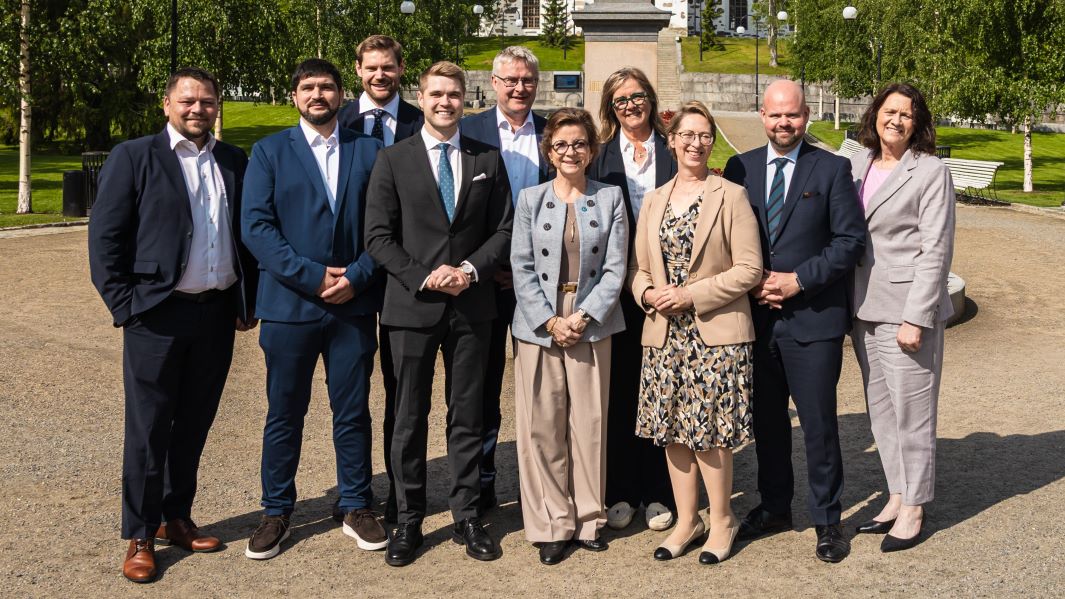
The Nordic Council of Ministers has renewed calls for a comprehensive reset of global food systems, advocating for plant-based diets to reduce emissions, improve health, and protect biodiversity.
Speaking at COP30’s high-level reception on sustainable food systems, Jacob Jensen, Denmark’s Minister of Food, Agriculture and Fisheries, emphasized the urgency of moving from commitment to action.
“The global food system must evolve if the world is to stay within planetary boundaries,” he said.
Lise Walbom of Food Nation Denmark highlighted the scientific consensus that current food systems are unsustainable.
“A shift toward plant-based foods is not just good for the planet, it’s good for people,” she said, advocating for reduced food waste, sustainable agriculture, and plant-rich diets in schools and hospitals.
African ministers, including Rohey John Manjang, Gambia’s Minister of Environment, Climate Change and Natural Resources, stressed that transitions must be equitable.
“Our people want healthy, sustainable food — but we need the means to produce, process, and distribute it,” Minister Manjang said.
“Africa’s farmers must be at the center of this transformation, supported through financing, infrastructure, and recognition of indigenous knowledge.”
Delegates from Ghana and other African nations echoed concerns over systemic barriers, including weak supply chains and limited access to green finance, which hinder the adoption of sustainable diets despite Africa’s rich traditions of plant-based eating.
The Nordic Council confirmed its commitment to international collaboration, pledging to work with countries and global partners to ensure reforms are inclusive and climate-resilient.
“The next decade must be the decade of food transformation,” Minister Jensen said. “We must nourish both people and the planet — and we must do it together.”
